
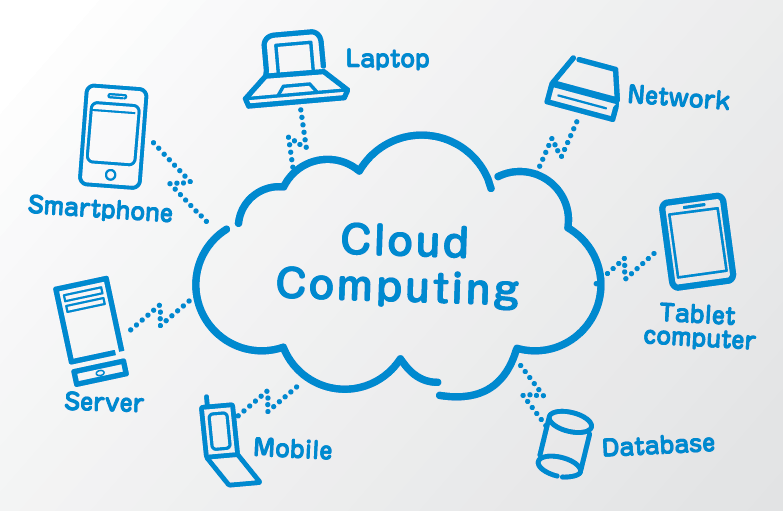
Cloud Computing (typically referred to as simply "Cloud") is the on-demand availability of computer system resources, especially data storage and computing power, without direct active management by the user. The term is generally used to describe data centers available to many users over the Internet. Large clouds, predominant today, often have functions distributed over multiple locations from central servers.
Clouds may be limited to a single organization or be available to many organizations (public cloud). Cloud computing relies on sharing of resources to achieve coherence and economies of scale.

Working on Cloud allows companies to avoid or minimize up-front IT infrastructure costs. It also allows enterprises to get their applications up and running faster, with improved manageability and less maintenance, and that it enables IT teams to more rapidly adjust resources to meet fluctuating and unpredictable demand.
KCC is an expert in the delivery of on-demand cloud resources - everything from Applications to Data Centers - over the Internet typically use a "pay-as-you-go" model.
Cloud-based applications or Software as a Service - run on distant computers "in the cloud" that are owned and operated by others and that connect to users' computers via the Internet and, usually, a web browser.
Platform as a Service provides a cloud-based environment with everything required to support the complete lifecycle of building and delivering web-based (cloud) applications - without the cost and complexity of buying and managing the underlying hardware, software, provisioning and hosting.
Infrastructure as a service provides companies with computing resources including servers, networking, storage, and data center space on a pay-per-use basis.
1. Public Cloud
Public clouds are owned and operated by companies that use them to offer rapid access to affordable computing resources to other organizations or individuals. With public cloud services, users don't need to purchase hardware, software or supporting infrastructure, which is owned and managed by providers.
2. Private Cloud
A private cloud is owned and operated by a single company that controls the way virtualized resources and automated services are customized and used by various lines of business and constituent groups. Private clouds exist to take advantage of many of cloud's efficiencies, while providing more control of resources and steering clear of multi-tenancy.
3. Hybrid Cloud
A hybrid cloud uses a private cloud foundation combined with the strategic use of public cloud services. The reality is a private cloud can't exist in isolation from the rest of a company's IT resources and the public cloud. Most companies with private clouds will evolve to manage workloads across data centers, private clouds and public clouds - thereby creating hybrid clouds.